
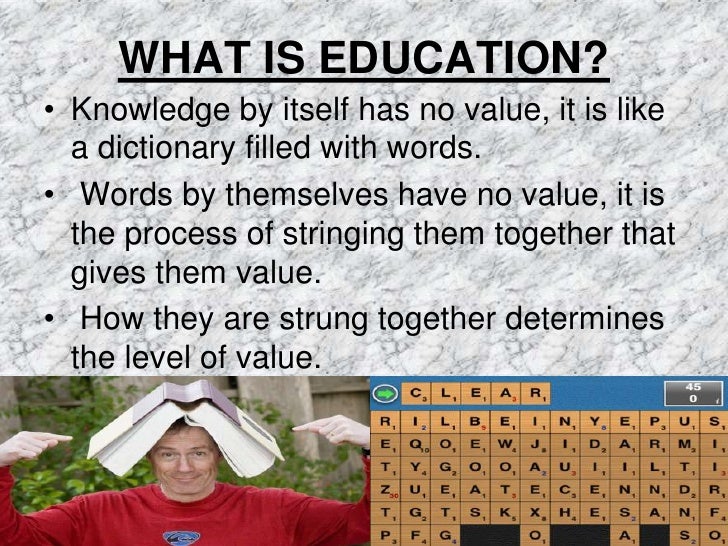
Proper education definition – Proper education isn’t just about filling minds with facts and figures. It’s about fostering a love of learning, equipping individuals with the skills to navigate a complex world, and empowering them to make a positive impact. Think of it as a journey of self-discovery, where knowledge is a tool, not a destination. It’s about developing critical thinking, problem-solving, and communication skills—essential ingredients for success in any field.
Imagine a well-tended garden. Proper education is like the nurturing soil, the right amount of sunlight, and the careful watering that helps a plant flourish. It provides the foundation for growth, allowing individuals to cultivate their talents and reach their full potential. Without this proper foundation, even the most brilliant minds can wither and struggle to reach their full potential.
Key Elements of a Proper Education:
- Critical Thinking: The ability to analyze information objectively and form reasoned judgments.
- Problem-Solving: Developing strategies to overcome challenges and find creative solutions.
- Communication Skills: Effectively conveying ideas and understanding others’ perspectives.
- Collaboration: Working effectively with others to achieve common goals.
- Creativity: Embracing innovation and finding unique solutions to problems.
Beyond the Classroom: A truly proper education extends beyond textbooks and lectures. It involves fostering curiosity, encouraging exploration, and creating opportunities for real-world application. Experiential learning, mentorship, and exposure to diverse perspectives are crucial aspects of a well-rounded education. It’s about developing not just knowledge, but also character and compassion.
Famous Figures in Education:
Consider figures like Malala Yousafzai, a passionate advocate for girls’ education. Or, think of Dr. Jane Goodall, whose dedication to chimpanzee research exemplifies lifelong learning and the pursuit of knowledge beyond the classroom. These individuals demonstrate how a proper education can empower individuals to become agents of positive change in the world.
Highlighting the Importance of Lifelong Learning: Proper education isn’t something that ends when the school bell rings. It’s a continuous process of growth and development. Encouraging individuals to embrace lifelong learning fosters a culture of continuous improvement and adaptability. This empowers them to thrive in a rapidly changing world, acquiring new skills and knowledge throughout their lives. Proper education, therefore, is a fundamental right and an essential investment in a brighter future for all.
Example of Proper Education in Action: Imagine a student not just memorizing historical dates, but actively researching the impact of those events on different cultures and communities. This is proper education in action, emphasizing critical thinking and a broader understanding of the world.
 Sophia
  Olivia
  Wyatt
Wyatt